
Key Takeaways
- Anxiety in older adults shows up through physical symptoms, changes in daily routines, and shifts in sleep or eating patterns.
- Common triggers include health concerns, loss of independence, social isolation, and major life transitions.
- Daily strategies like consistent routines, gentle activities, and staying connected can help reduce anxiety.
- Building a strong support network with family, caregivers, and healthcare teams makes a significant difference.
- Senior living communities offer 24/7 care, social activities, and trained staff to support mental health needs.
What Anxiety Looks Like in Older Adults
When your loved one experiences anxiety, you might notice they seem restless or complain about feeling their heart racing. Physical signs often include trembling hands, headaches, or stomach upset that doesn’t seem to have a clear medical cause. Recognizing these early signs helps you provide the right support when your loved one needs it most. These symptoms can be confusing because they mirror other health conditions common in older adults.
Kingston HealthCare understands how anxiety affects daily life and provides comprehensive support for families navigating these challenges. Changes in daily routines become more obvious over time, and common mental health concerns in seniors can help you recognize when professional support might be needed. Your loved one might suddenly avoid social gatherings they used to enjoy or stop participating in activities that once brought them happiness.
Anxiety can disrupt sleep, appetite, memory, and focus. Your loved one may struggle to sleep, eat less, forget recent conversations, or have trouble concentrating—creating a cycle where worry worsens both physical and cognitive health.
Common Triggers That Lead to Worry and Stress
Health concerns and medication changes create uncertainty that can spark anxiety in your loved one. When doctors adjust prescriptions or schedule new tests, the unknown results can cause sleepless nights and constant worry. Even routine medical appointments can become sources of stress if your loved one fears bad news.
Loss of independence and mobility challenges often trigger deep feelings of anxiety about the future. When your loved one struggles to drive safely or needs help with tasks they’ve always done alone, they may worry about becoming a burden or losing control over their life choices. This is where exploring aging in place versus senior living options becomes important for families.
Loneliness and isolation can intensify anxiety, making everyday worries feel overwhelming. Financial concerns and uncertainty about future care can add ongoing stress, affecting your loved one’s peace of mind and daily enjoyment.
How Senior Living Communities Address These Concerns
Senior living communities offer 24/7 care that helps ease health-related anxiety by ensuring trained support is always close by. Built-in social activities encourage connection and friendship without the stress of planning or transportation. Safe, well-managed environments also reduce daily worries about home upkeep, meals, and personal safety, allowing your loved one to feel more at ease.
Simple Daily Strategies to Reduce Anxiety
Creating consistent routines brings comfort to your loved one by making each day feel more predictable and manageable. When they know what to expect—like having coffee at 8 AM or taking a walk after lunch—it reduces the mental energy spent worrying about what comes next.
Gentle physical activities like walking and stretching help release tension that builds up in the body during anxious moments. Even 10 minutes of movement can help your loved one feel more relaxed and sleep more soundly at night. These activities don’t need to be intense to be helpful.
Breathing exercises and relaxation techniques give your loved one tools they can use anywhere when anxiety starts to build. Simple techniques like counting breaths or progressive muscle relaxation can interrupt the cycle of worry before it becomes overwhelming.
Staying connected with family and friends provides emotional anchors during difficult times. Regular phone calls, video chats, or visits remind your loved one that they’re supported and cared for, which can significantly reduce anxiety levels.
The Role of Proper Nutrition and Sleep
Regular meals help stabilize blood sugar and prevent physical symptoms that can mimic anxiety. Consistent sleep routines support mental resilience, while limiting caffeine and alcohol can reduce jitters and sleep disruptions that worsen anxious feelings.
How Senior Living Communities Support Mental Health

Trained staff members recognize anxiety symptoms and respond with appropriate support and reassurance. When your loved one feels anxious, they have immediate access to caregivers who understand what they’re experiencing and know how to help them feel more comfortable. Professional caregivers receive specialized training to support residents’ emotional well-being.
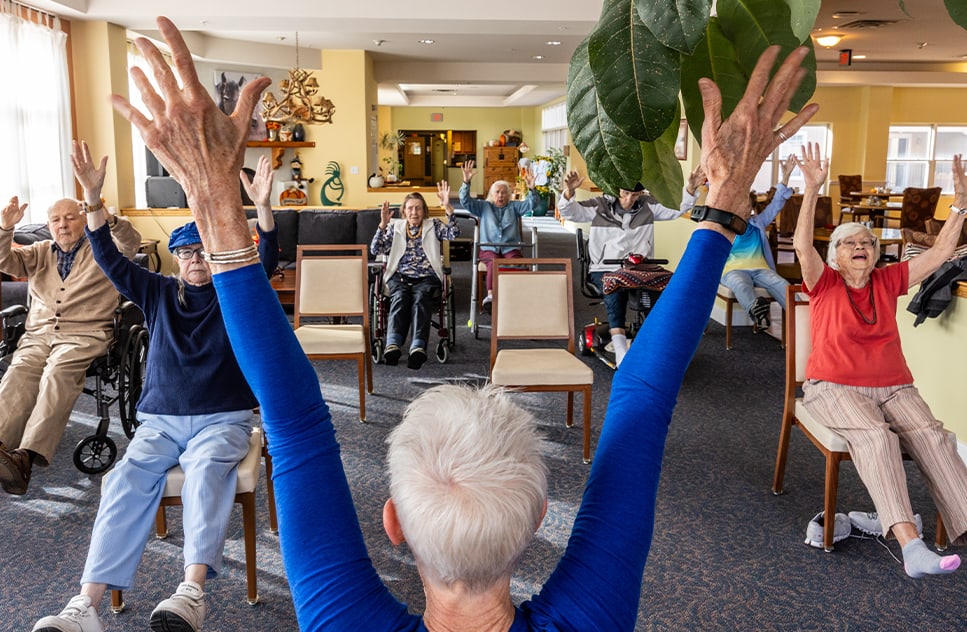
Social activities help your loved one build relationships that naturally ease anxiety, while access to healthcare and mental health professionals ensures support is always available. Safe, comfortable environments reduce daily stress, letting them focus on enjoying their day without worry.
Kingston HealthCare’s 24/7 care teams provide reassurance and support, helping residents feel secure and relaxed. Engaging community activities foster meaningful friendships, while close collaboration with families ensures personalized care that supports emotional well-being.
Creating Peace of Mind for Your Family
The right care environment reduces anxiety for everyone in your family by providing professional support and safety measures that give you confidence in your loved one’s well-being. When you know they’re receiving quality care, you can focus on enjoying your time together rather than constantly worrying about their safety. Prioritizing your mental health as a caregiver becomes easier when you have professional support.
Supporting your loved one’s transition to senior living involves open communication about their concerns and active participation in choosing the right community. When they feel heard and involved in decisions about their care, it reduces anxiety about losing control over their life choices.
Choose communities that prioritize mental health and emotional support, with staff trained to address both emotional and physical needs. Planning for changing care needs ensures your loved one can age in place, providing peace of mind for the whole family.
Kingston HealthCare’s Approach to Emotional Well-Being
Kingston HealthCare understands that managing anxiety in older adults requires a comprehensive approach that addresses both emotional and physical well-being. With communities across Ohio, New Mexico, Indiana, and North Carolina, Kingston offers the 24/7 care and supportive environment your loved one needs to feel secure and comfortable.
Contact Kingston HealthCare today to learn more about how their caring approach can help reduce anxiety and improve your family’s quality of life.